
Passport? Good.

韓國

交通移動

一張卡走遍全部,以及為什麼下車刷卡比你想的更重要。

A transit card reader mounted beside the door of a Korean bus

每次搭地鐵都要買票嗎?

不用。一張可加值的交通卡涵蓋地鐵、公車與計程車,任何便利商店都能買到並加值。

Seoul Metro
Taxis lined up on a street in Seoul

在韓國怎麼叫計程車?

多半靠 App。路邊招車可以,但司機可能會略過他不想跑的目的地。
Korea Tourism Organization
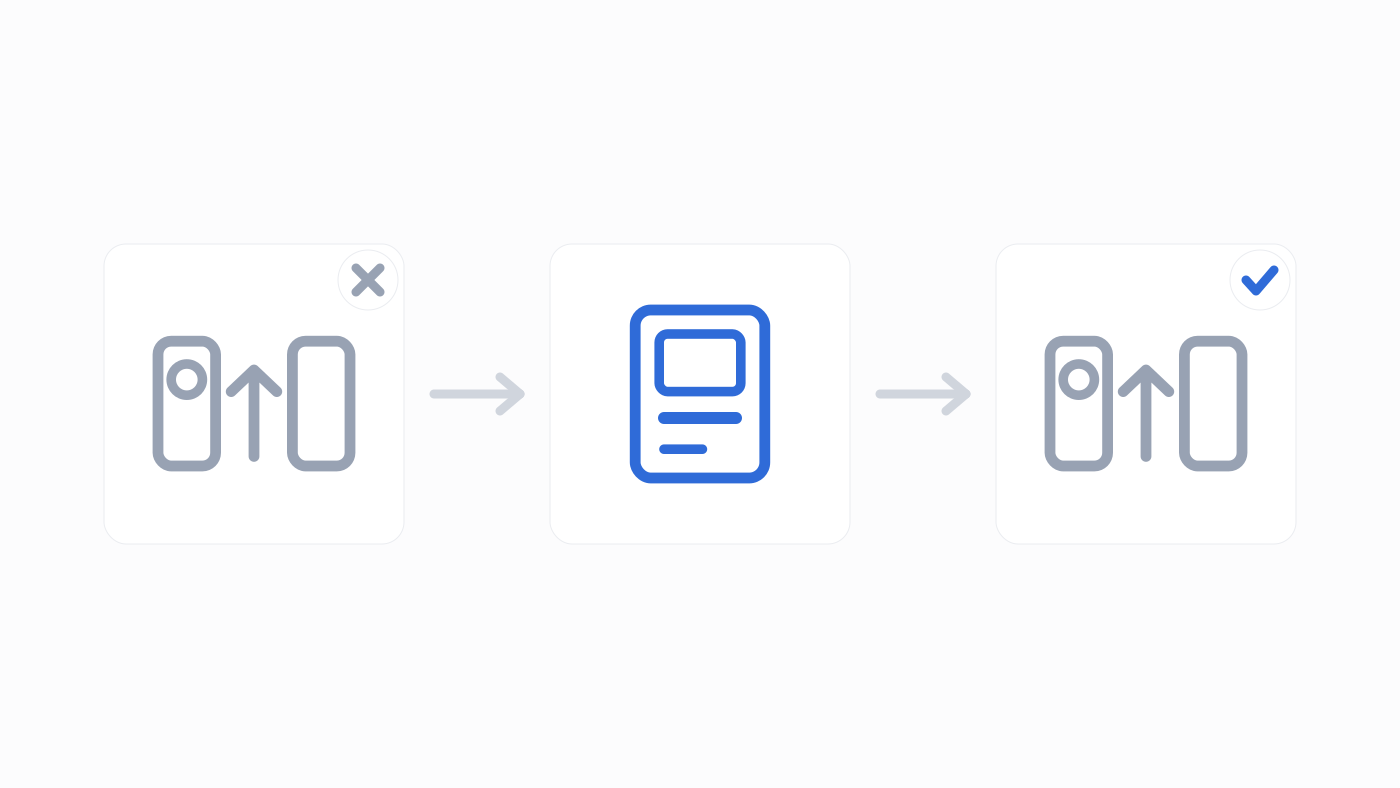
Diagram: the gate refuses, the fare adjustment machine beside it takes the shortfall, and the gate opens

閘門打不開時怎麼辦?

到閘門附近的補票機加值。它同時處理 T-money 卡與單程票。
Visit Seoul — Transportation
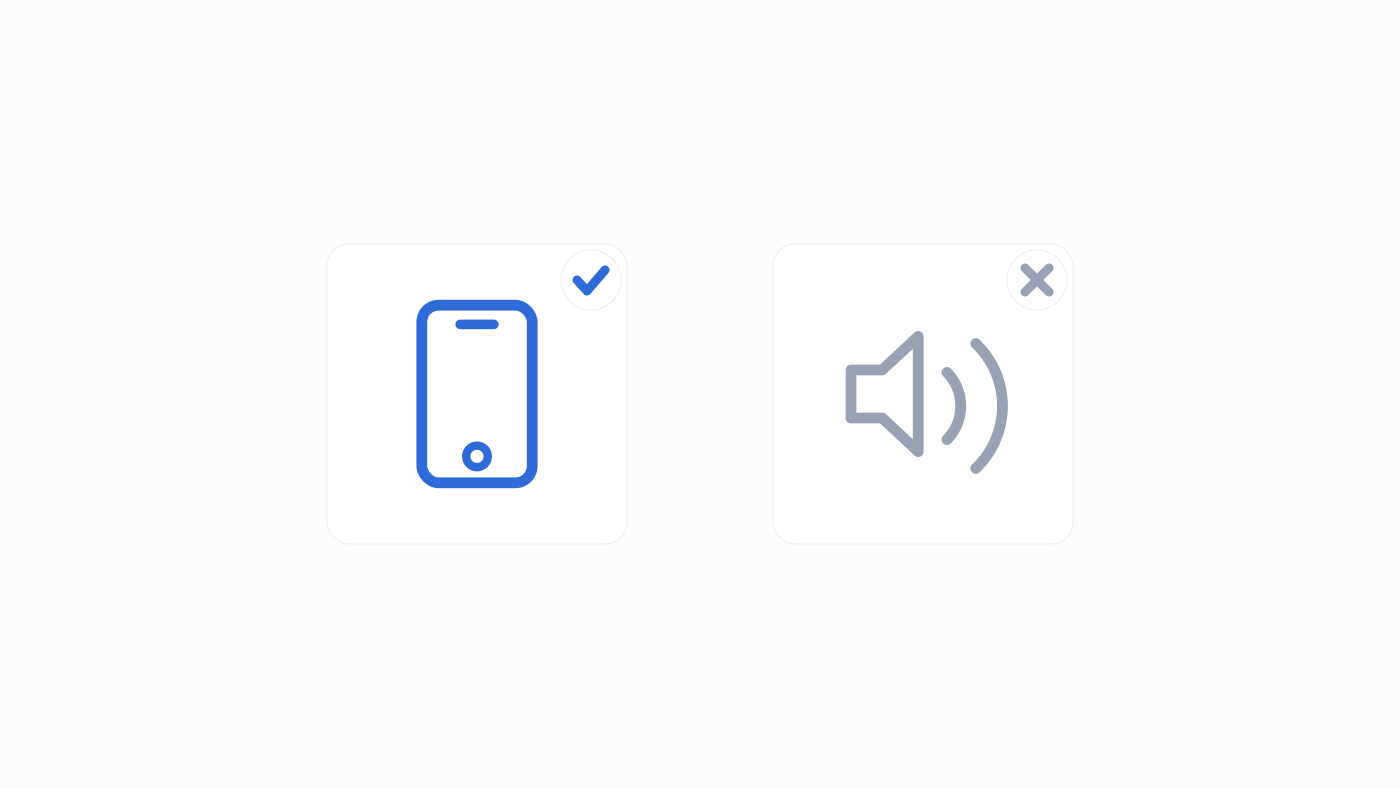
Diagram: taking a call is fine; being audible across the carriage is not

在地鐵上可以講電話嗎?

可以,小聲點。營運單位自己的禮節清單要求的是震動模式與壓低音量,而不是安靜無聲。
Seoul Metro — How to use the subway
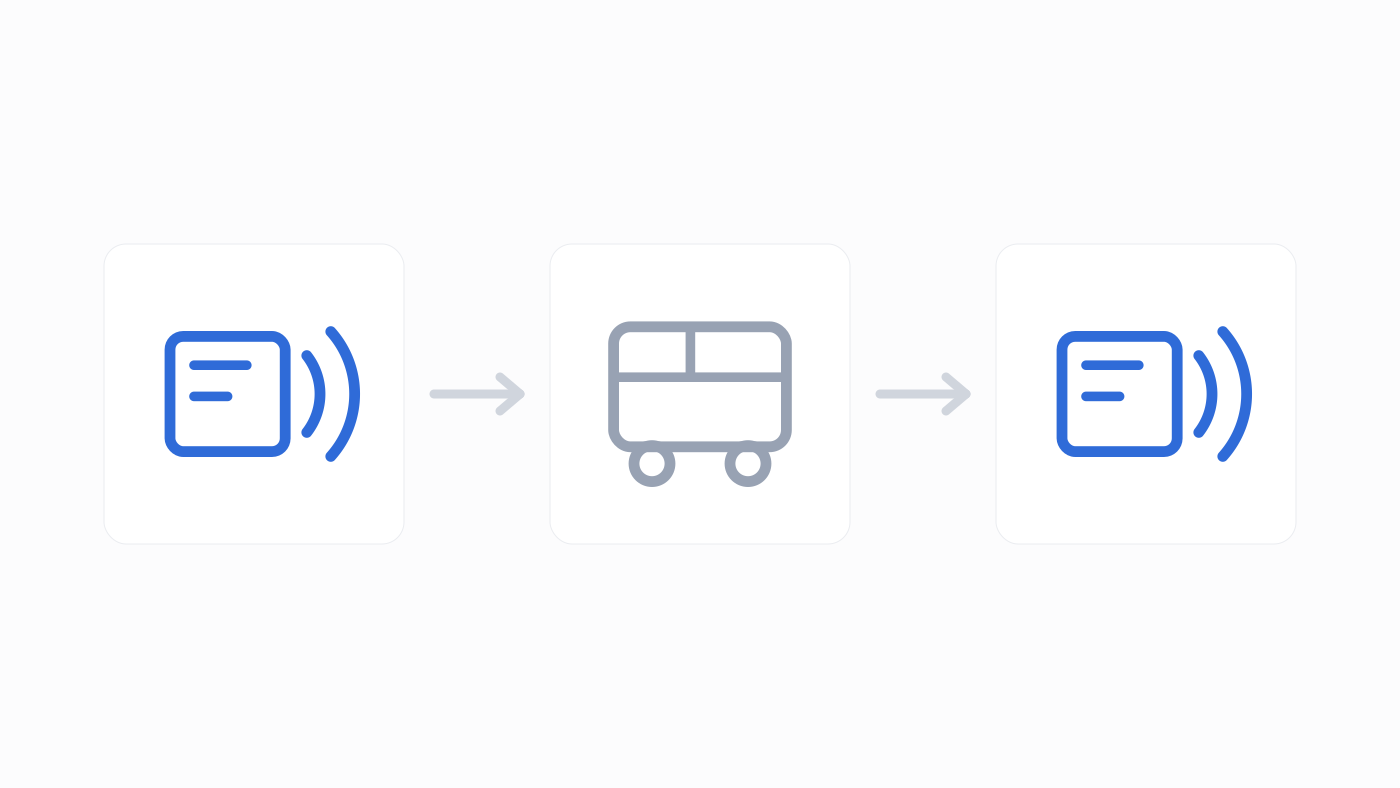
Diagram: tap the card boarding the bus, and tap it again before getting off

為什麼下公車時還要再刷一次卡?

因為轉乘折扣取決於它。下車沒刷,整趟裡的每一段都會被當成各自獨立的車資計費。

Seoul Metropolitan Government — Public transportation
Numbered exit sign at Seoul Station

為什麼大家報路都用出口編號?

因為每一個地鐵出口都有編號,而「2 號出口」比地址更能精準指出一個街角。學會讀它,這座城市就打開了。
Visit Seoul — Subway
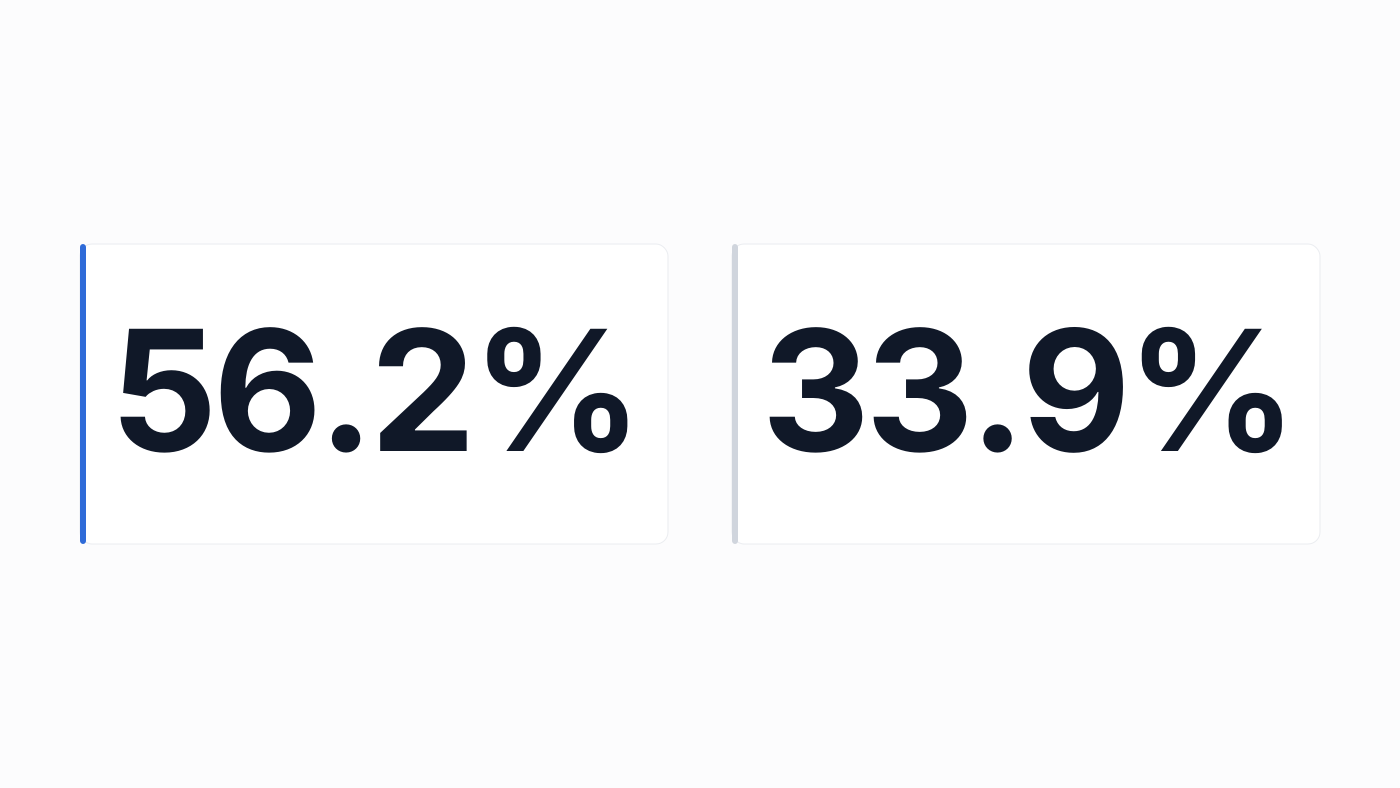
Diagram: in a government survey 56.2% of visitors navigated with Naver Map against 33.9% with Google Maps

在這裡該用哪個地圖 App?

用韓國的——Naver Map 或 Kakao Map。在一項政府調查中,換過去的旅客表示在地 App 在這裡就是比較準,而仰賴公車與步行路線的人幾乎全數改用。

Korea.net — Foreign tourists prefer domestic apps

出發前,先把實際的事情處理好。

eSIM、鐵路票券、機場接送 — 落地前先安排好會輕鬆許多。