China
A phone is the wallet, the ticket and the door — cash is the awkward option.
Most asked
Do you need cash in China?
Rarely — but a card on its own is not the answer either. Almost everything runs through payment apps, and a foreign card has to be linked to one of them first.
Read the answerAt a glance
- Tipping
- Not customary
- Cards
- Mobile pay first, foreign cards patchy
- Tap water
- Boil it or buy bottled
- Haggling
- Markets yes, shops no
Arriving
Every big city puts a rail line under its airport — the question is which one you want.

How do I get from the airport into the city?
Rail, in every case. Each major airport has a dedicated line, and the ordinary metro is always the cheap way in.

Does it matter which Beijing airport I land at?
Yes. Capital sits inside the city in Chaoyang; Daxing is far to the south with its own separate railway. They are not interchangeable.
Where can I leave my luggage for the day?
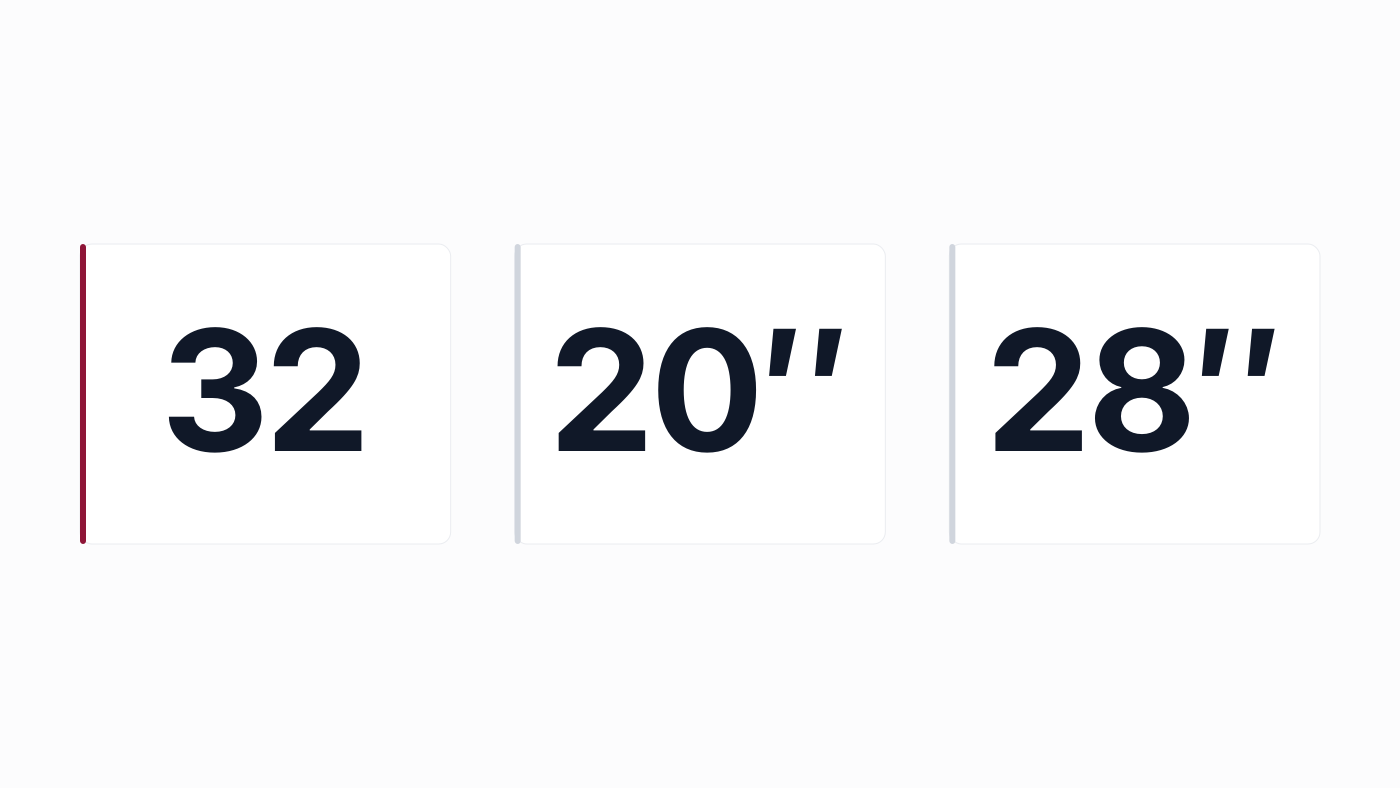
Metro station lockers. Shanghai runs them at 32 stations, sized by suitcase inches and charged by the hour with a daily cap.
Can I send my luggage ahead instead of carrying it?
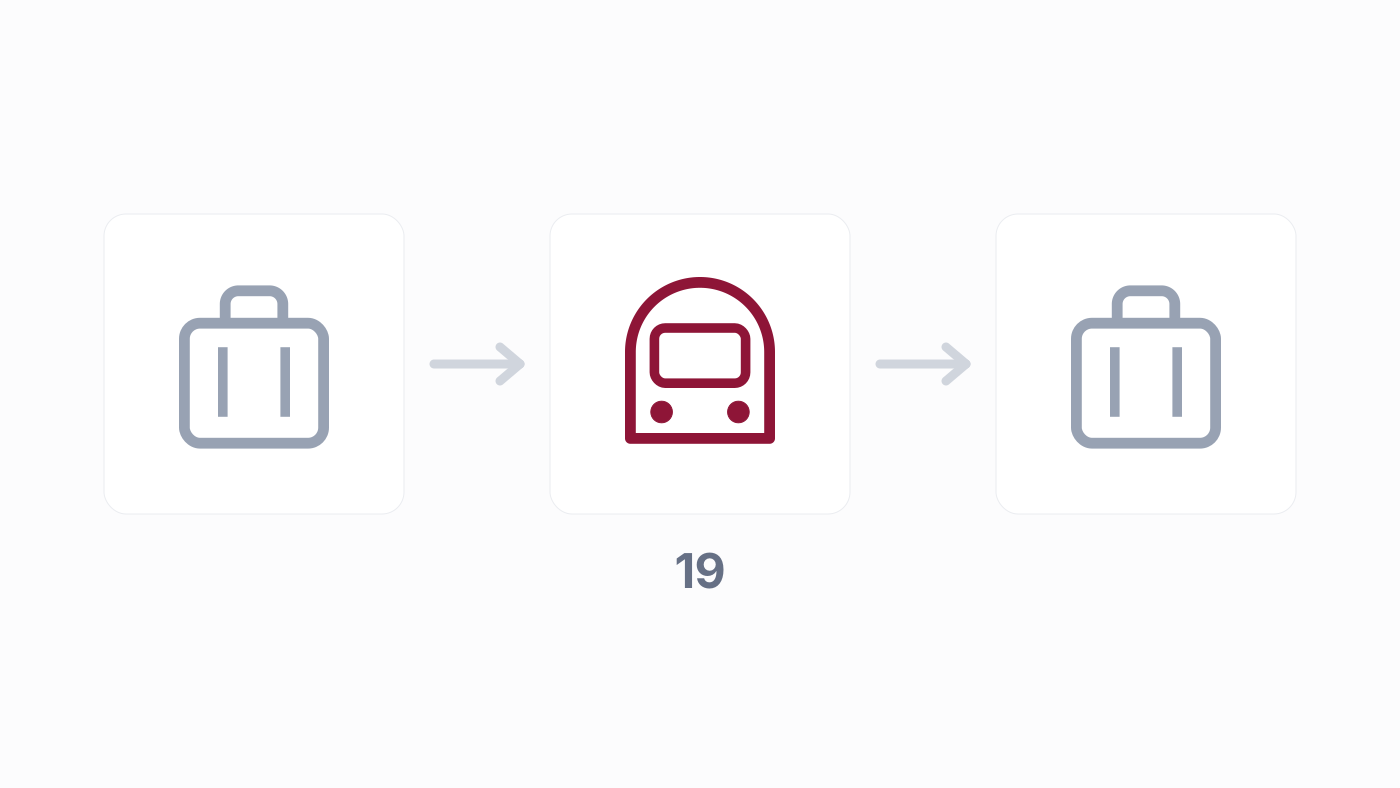
Yes, but through the railway rather than the hotel. China Railway runs a luggage service at 19 stations, booked in the 12306 app.

Can I take a large suitcase on the high-speed train?
Within limits, free: 20kg per adult, and on high-speed trains each item's three dimensions may total no more than 130cm.
Getting around
A QR code replaces the ticket, and the rule sheet is longer than you expect.
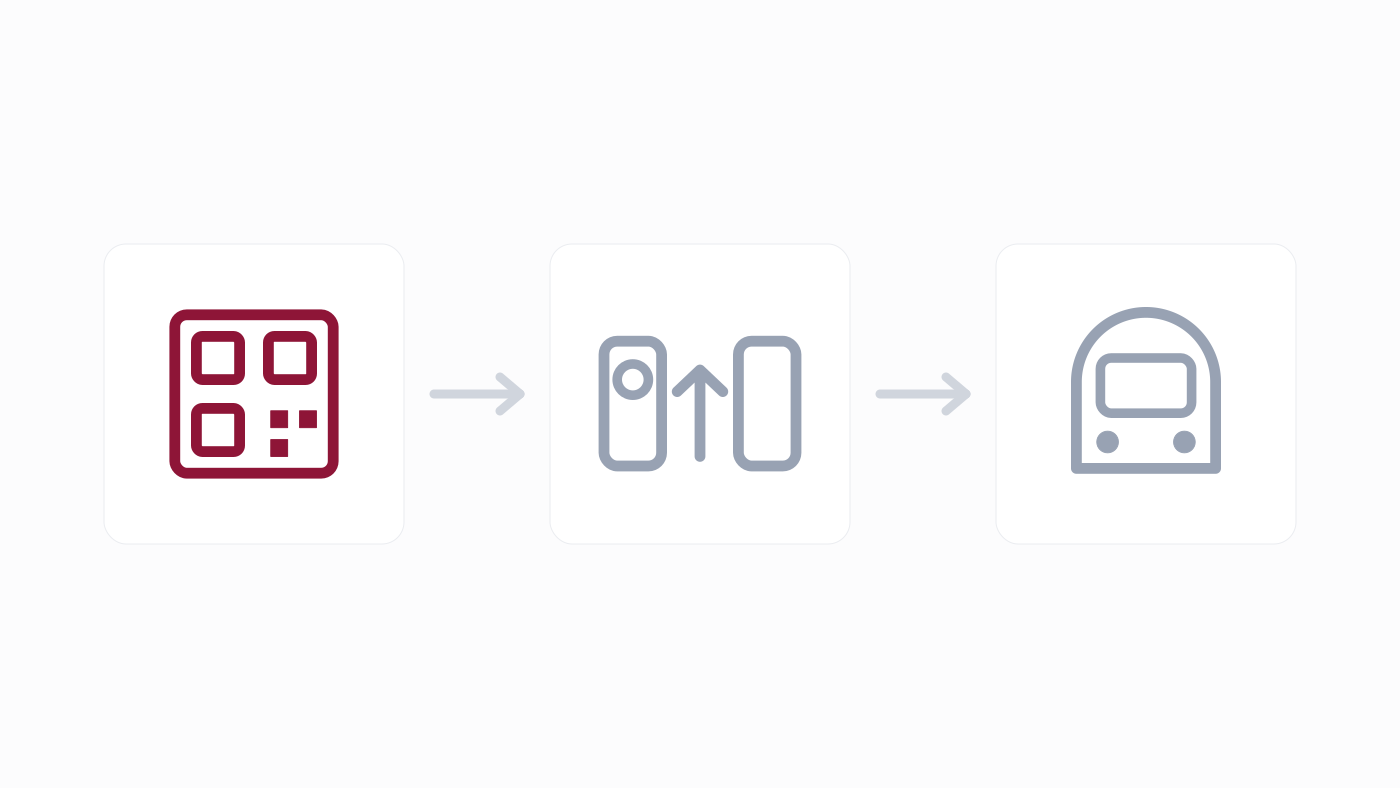
Do I need to buy a ticket for every ride?
No. A QR code in a payment app covers every line, and contactless bank cards work at the gates too.

How do you get a taxi?
Through an app. Beijing's own guidance says waving at the kerb is so obsolete it barely works — DiDi, with an English interface, is how rides happen.
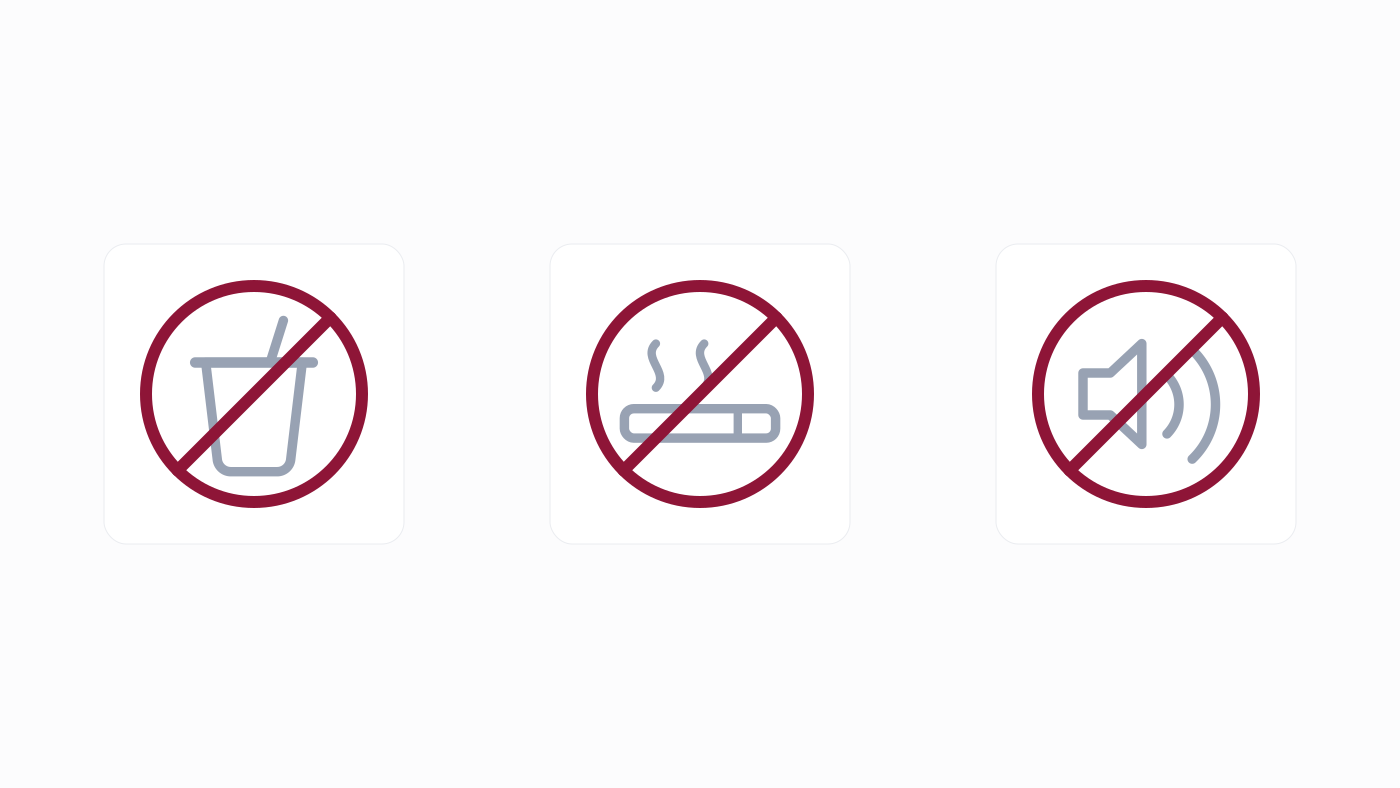
What are the rules on the subway?
A longer list than most systems publish. No eating or drinking, no smoking including e-cigarettes, and no music without headphones.

Do I really get my bag searched to ride the subway?
Yes, every time. Screening before the gates is mandatory, and refusing it means you do not get in.

Do I need my passport to ride the train?
Yes — every rail ticket is real-name, tied to the passport that bought it, and the passport itself is what opens the gate.
Money
Why a foreign card is the hard way to pay here.

Do you need cash in China?
Rarely — but a card on its own is not the answer either. Almost everything runs through payment apps, and a foreign card has to be linked to one of them first.
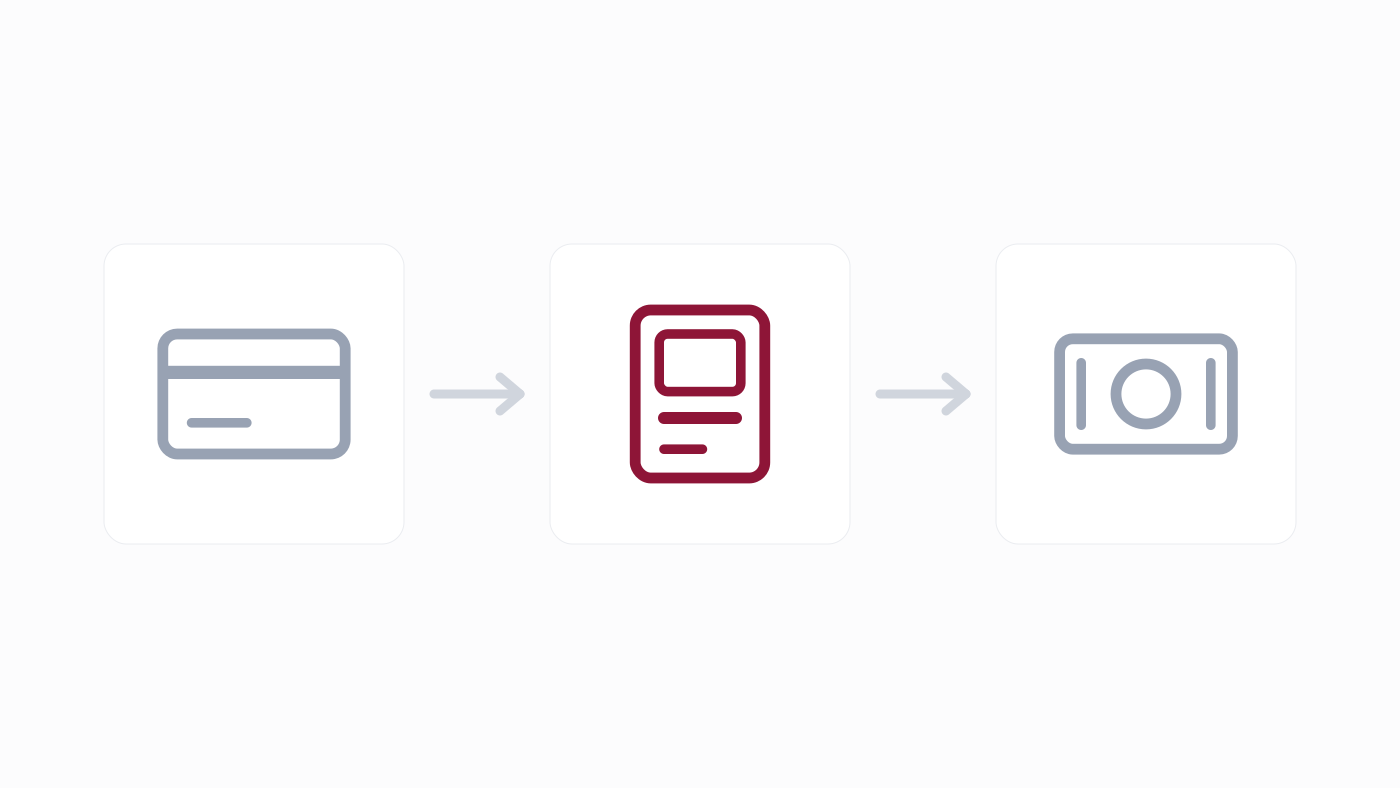
Where can I get cash with a foreign card?
At ATMs carrying your card network's logo. UnionPay is accepted broadly; Visa and Mastercard work on a narrower set of machines.
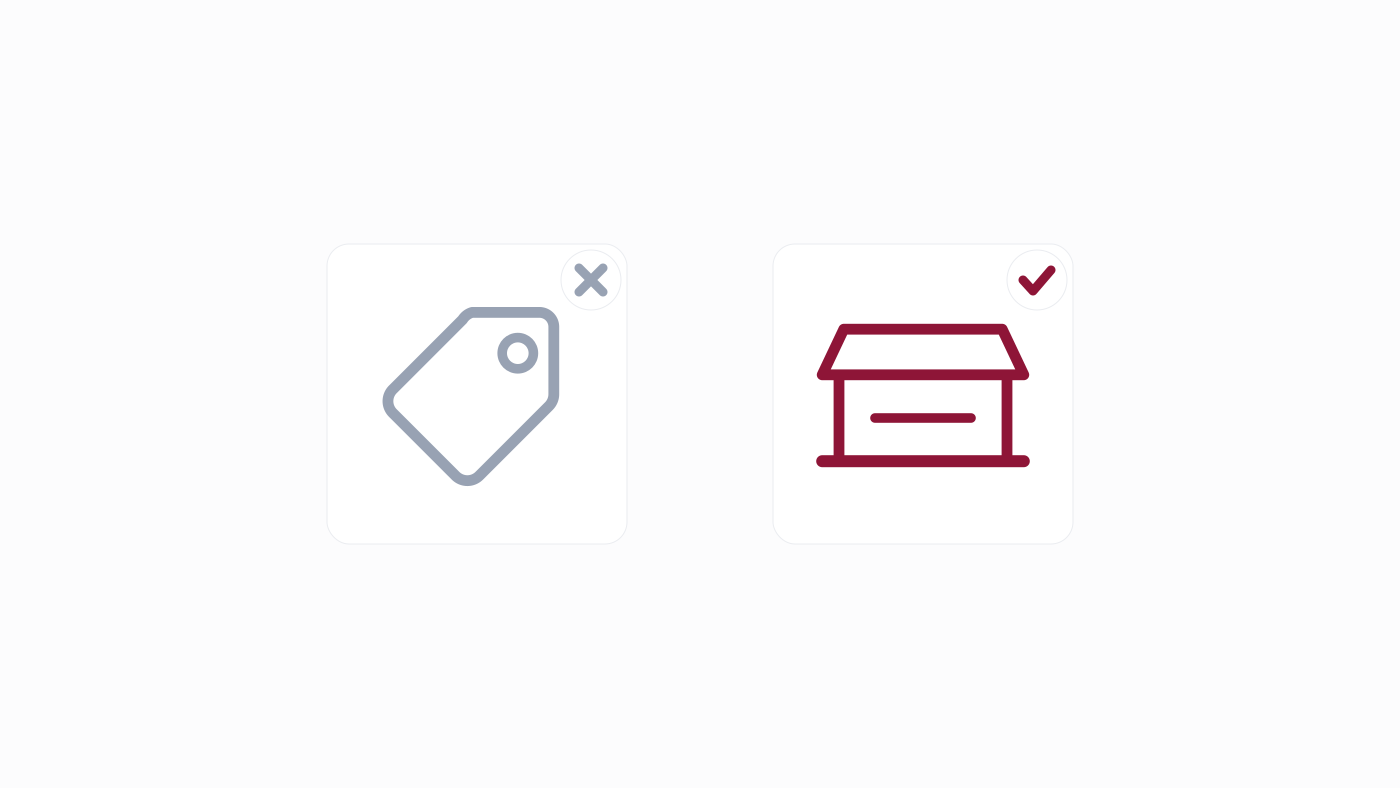
Can you haggle over prices?
Not where a price tag hangs — marked prices are a legal requirement, and the tag is a ceiling. Markets without tags are a different world.
Can a shop refuse my cash?
No — refusing renminbi cash is illegal, and the central bank fines merchants for it. In the world's most app-paid economy, your paper money is still legal tender.
At restaurants
Ordering by QR code, and who pays for what.

Do you tip in China?
No. Tipping is not customary, and handing over extra money will often be refused outright.
Do I use my own chopsticks to take food from shared dishes?
No. Dishes are shared but serving is done with 公筷 — separate serving chopsticks that never touch your mouth.

Where do I sit, and who pays?
Wait to be told where to sit — the seat facing the entrance belongs to the host or guest of honour. And expect the host to insist on the bill.
How do I order when I can't read the menu?
Scan it. The translation tool built into Alipay turns a Chinese menu into English on the spot — the same app you already set up for paying.
Do I have to empty my glass when someone says ganbei?
干杯 means dry cup, and the city government's etiquette guide takes it literally — sip instead of finishing and you may be asked whether you are raising fish in there. The other half of the answer is the hand: toast standing, hold the cup in both hands, and let your rim land lower than your host's.
Phone and internet
Getting a number, and which of your usual apps will not open.
Everyday basics
The small logistics that decide whether a day out goes smoothly.

Can you drink the tap water in China?
No. Boil it or drink bottled — the kettle in every hotel room is there for exactly this reason.
What number do I call in an emergency?
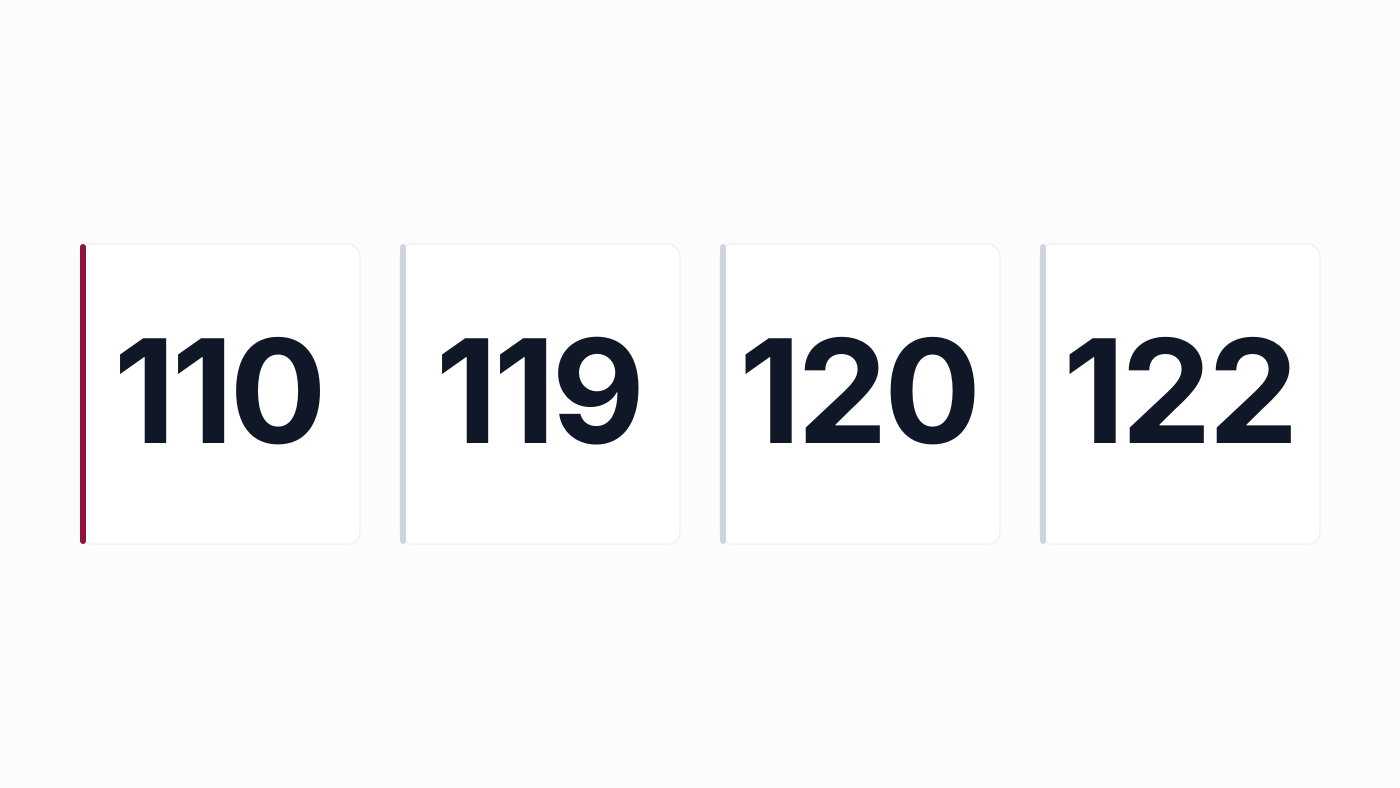
110 police, 119 fire, 120 ambulance, 122 traffic accidents. Calls are free, and 110 answers in eight languages.
Do I need a plug adapter here?
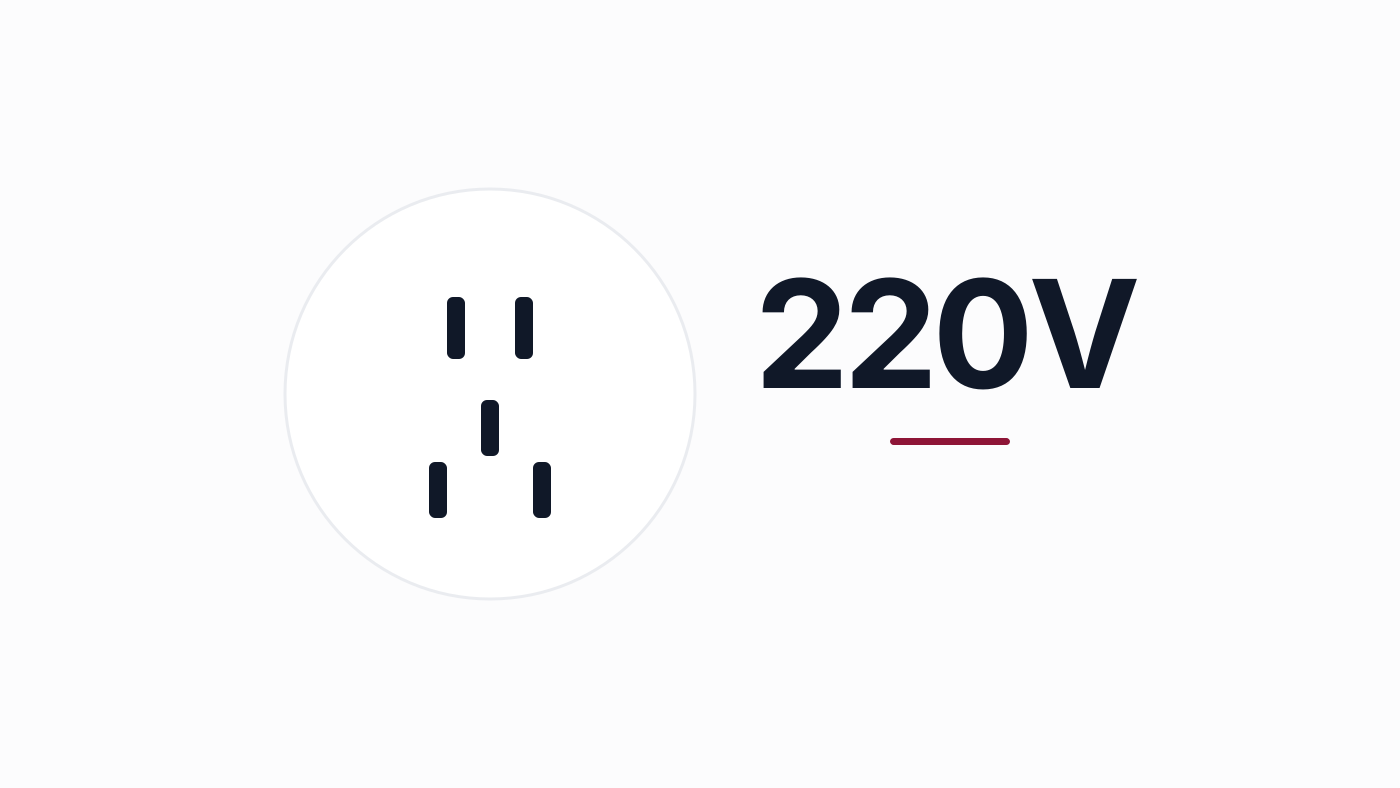
Often not. Sockets here accept flat two-pin, round two-pin and angled three-pin plugs, so most travellers' plugs fit as they are.

Are public toilets free, and easy to find?
Free and common — on the street, in malls, offices, supermarkets and fast food places. Carry your own paper.
Where can I smoke, and where can't I?
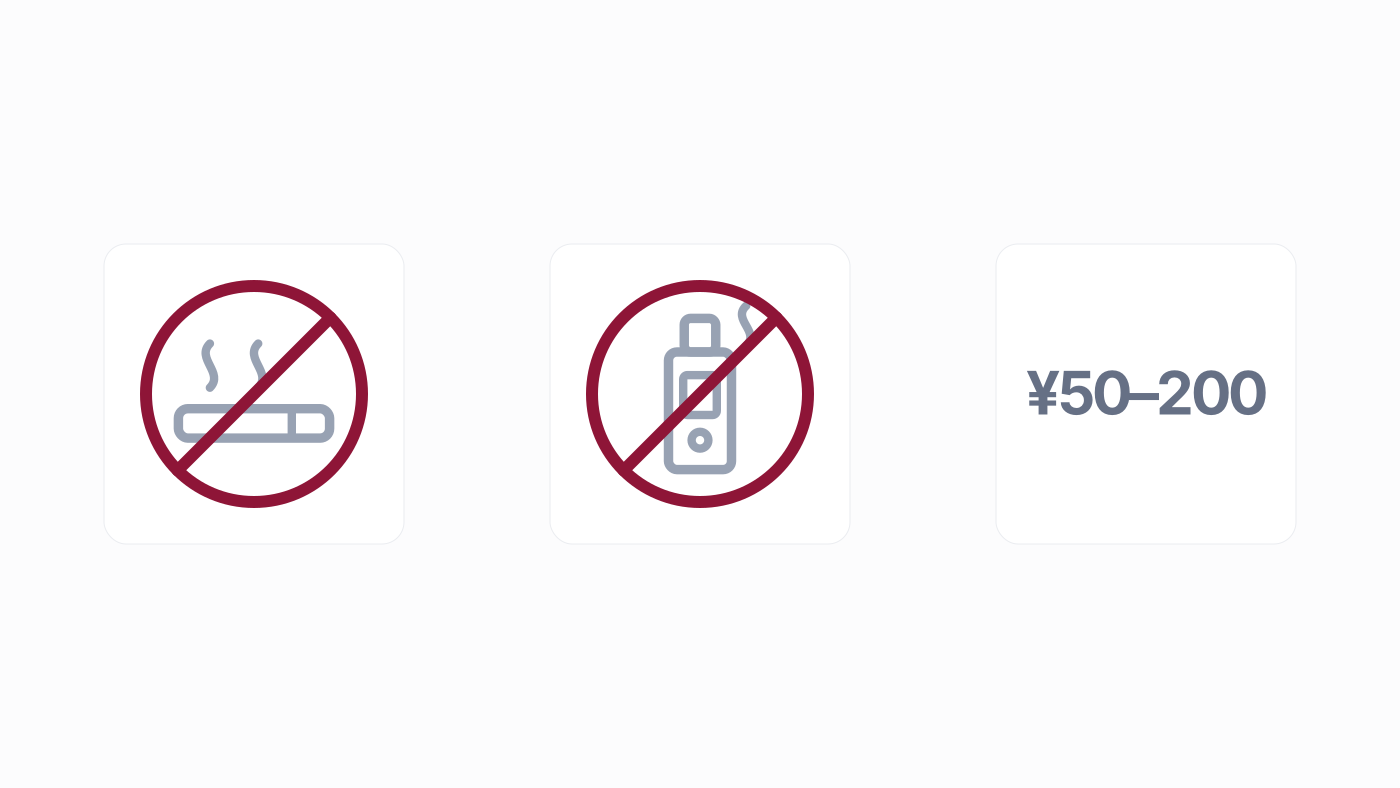
Indoors is banned outright in the big cities, e-cigarettes included, and the rules are written city by city rather than nationally.
How other countries compare
For a trip that crosses borders — the same question, answered country by country.
- Where can I leave my luggage for the day?
- Do I need to buy a ticket for every ride?
- Do you need cash in China?
- Do you tip in China?
- Can I use my own phone in China?
- Where can I smoke, and where can't I?
- How do I get from the airport into the city?
- Does it matter which Beijing airport I land at?
- Can I send my luggage ahead instead of carrying it?
- Can I take a large suitcase on the high-speed train?
- How do you get a taxi?
- Where can I get cash with a foreign card?
- Can you haggle over prices?
- Can you drink the tap water in China?
- Are public toilets free, and easy to find?
- What number do I call in an emergency?
- Do I need a plug adapter here?