Do I use my own chopsticks to take food from shared dishes?
Short answer
No. Dishes are shared but serving is done with 公筷 — separate serving chopsticks that never touch your mouth.
Two pairs, two jobs
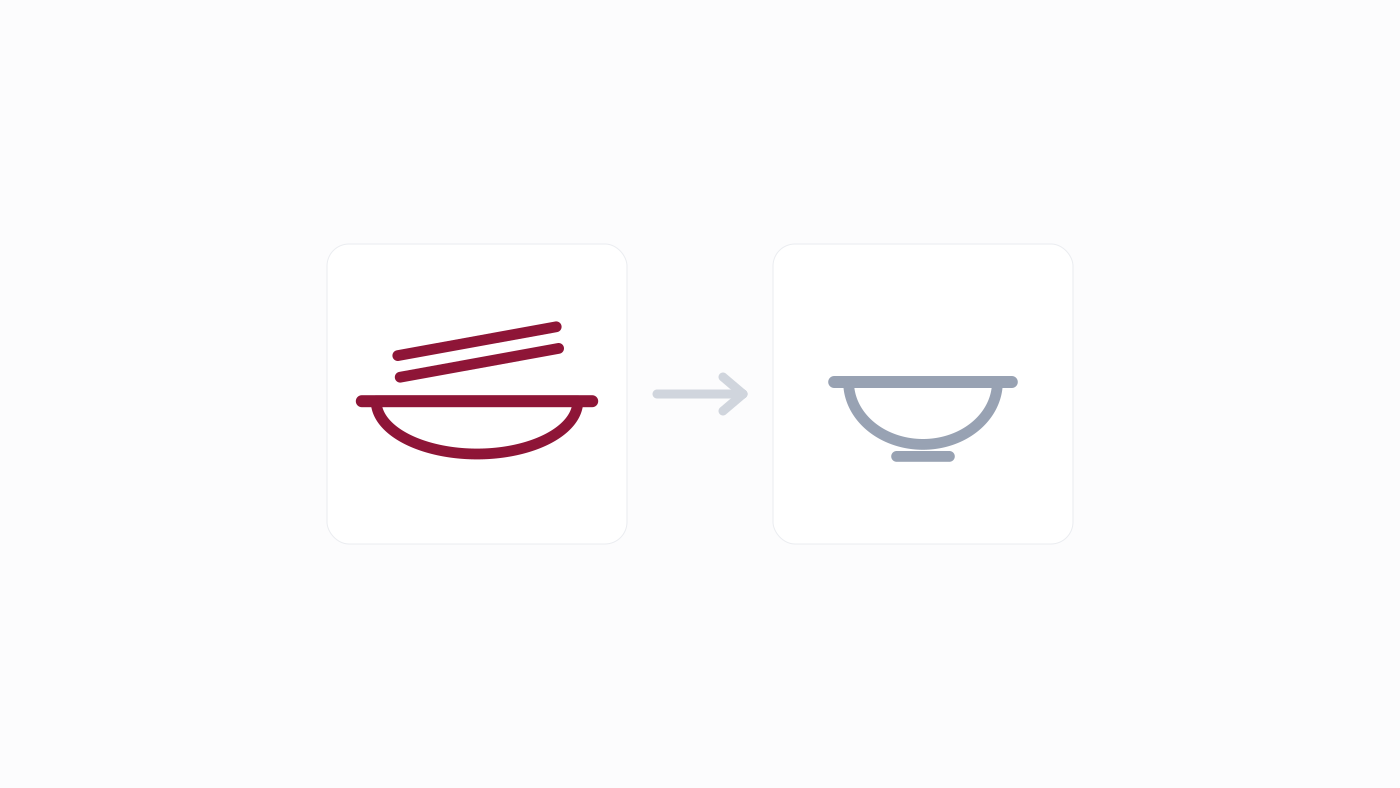
Dishes arrive in the middle for everyone, but using your personal chopsticks to lift food out of them is considered impolite. The tool for that is 公筷 (gōng kuài), communal serving chopsticks that come with the dishes.
Some restaurants make the distinction visible by colour — black chopsticks for your own eating, white ones for serving. Where you see both at a setting, that is what the pair is telling you.
What not to do with the chopsticks in your hand
Do not stand them upright in your food. Do not bite or lick the tips. Do not stab food to pick it up, and do not use them to drag a plate or shift a bowl across the table.
None of these are obscure — they are the short list a Shanghai city guide puts in front of visitors, which means they are the ones that get noticed.
Why the rule exists in this form
Shared plates and personal chopsticks are in tension: the sharing is the point of the meal, and the serving chopsticks are what makes it hygienic. Treating 公筷 as fussy misreads which half of the custom is being protected.
If a table has no serving chopsticks out, using the clean end of your own, or asking for a spare pair, both read better than reaching in with the end you have been eating from.
Good to know
- Black chopsticks for eating, white for serving where both are set out
- Never stand chopsticks upright in food