Vietnam
Cash moves most of the country, and the notes have a lot of zeros.
Most asked
Do you tip in Vietnam?
Not required, and not a local habit. It has become common only where tourism is the main business.
Read the answerAt a glance
- Tipping
- Not required, common in tourism
- Cards
- Cash for most daily spending
- Tap water
- Bottled only
- Haggling
- Expected at markets
Arriving
Three gateways, three different rides into town.

Does it matter which airport I fly into?
More here than almost anywhere. The three international gateways are not alternatives to one another — they are the north, the centre and the south of a country the train needs 36 hours to cross.
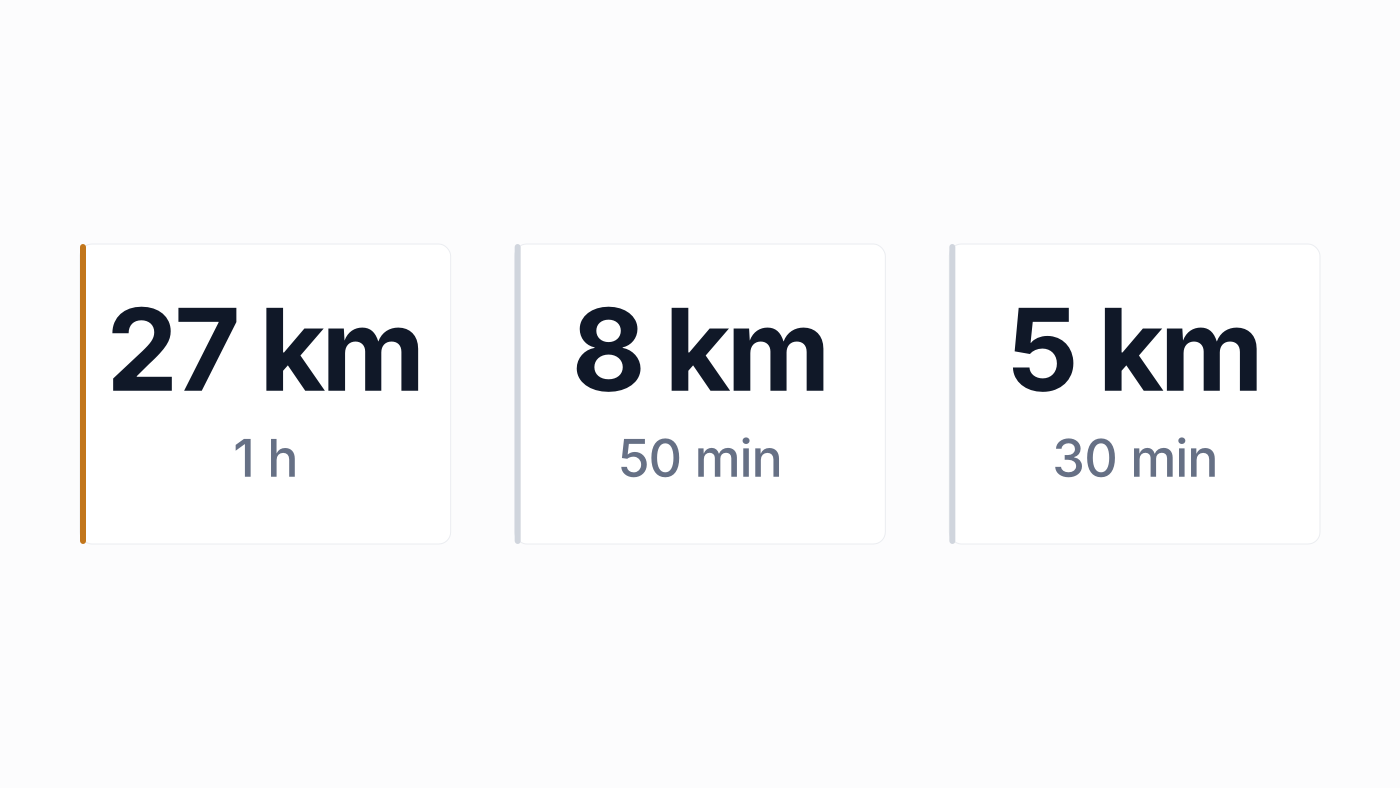
How do I get from the airport into the city?
Metered taxi or a city bus, and the answer scales with the city: Hanoi's airport is far, Saigon's is close but slow, Danang's is practically downtown.
Getting around
The traffic looks impossible until you learn the one rule it runs on.

How do you get a taxi?
By brand, not by chance: the tourism board names the reputable metered firms — Mai Linh in green, Vinasun in white, Taxi Group in Hanoi — and the apps work if you have a local SIM.

How do I cross the street through all those motorbikes?
The tourism board's own words: confidence and clear body language. Move steadily and visibly, and the traffic shapes itself around you.

How do I get from one city to the next?
Three ways, and one piece of geography behind all of them. The country is a single 2,600 km track averaging 40 km/h, so the train from Hanoi to Ho Chi Minh City takes 36 hours. Sleeper buses cover the same ground overnight; a flight does it in one to two. Choose per leg, not once for the trip.
Money
Reading the notes, avoiding ATM fees, and where cards actually work.

Do you need cash in Vietnam?
Yes. Hotels and malls take cards, but street food, markets and short rides all run on cash — and the notes are easy to confuse.
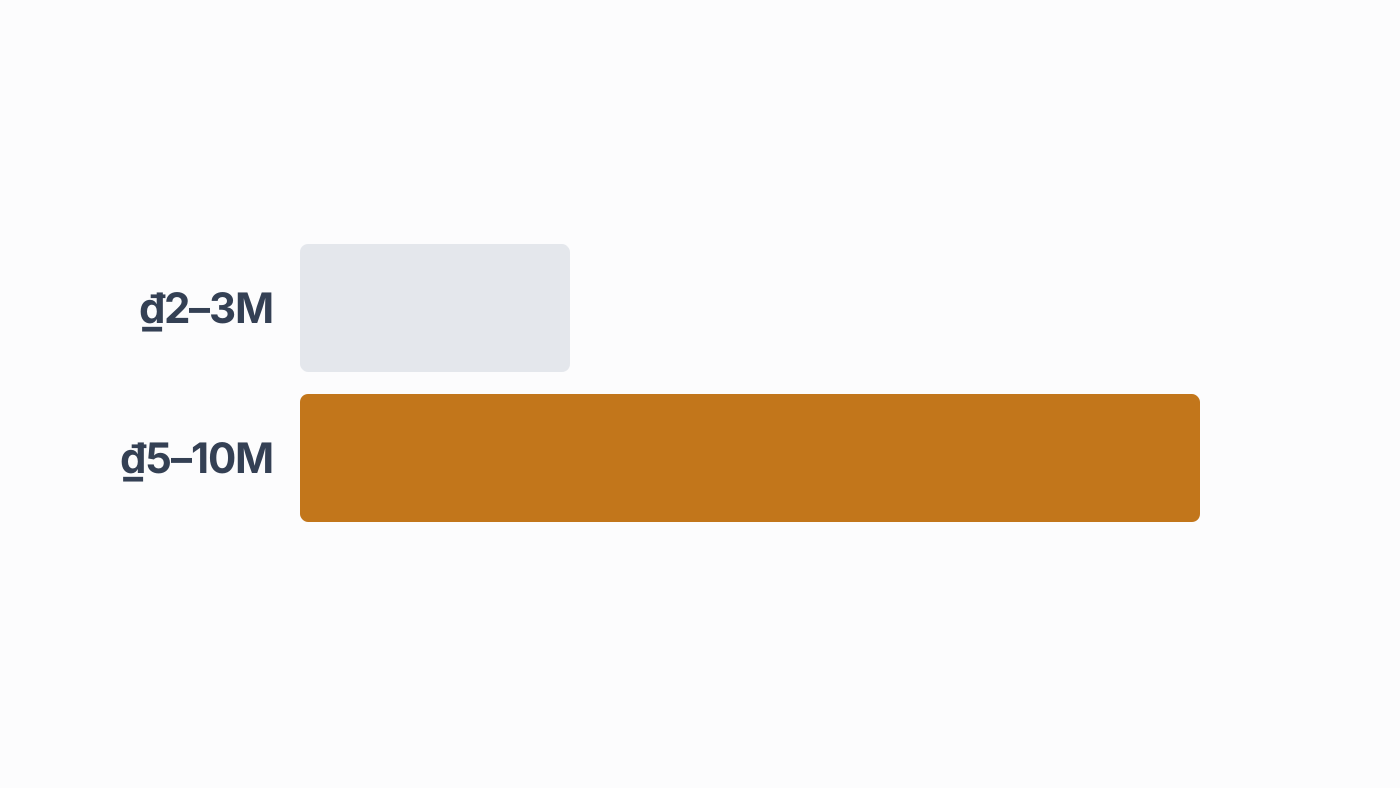
Where can I get cash with a foreign card?
ATMs are everywhere and international cards work at more than 20,000 of them — but local-bank machines cap each withdrawal low, so the machine you choose decides your fees.
Can you haggle over prices?
In markets and casual shops, yes — the tourism board's own word for it is gentle negotiation. Ask a few vendors first so you know what the number should be.
How do I avoid mixing up the banknotes?
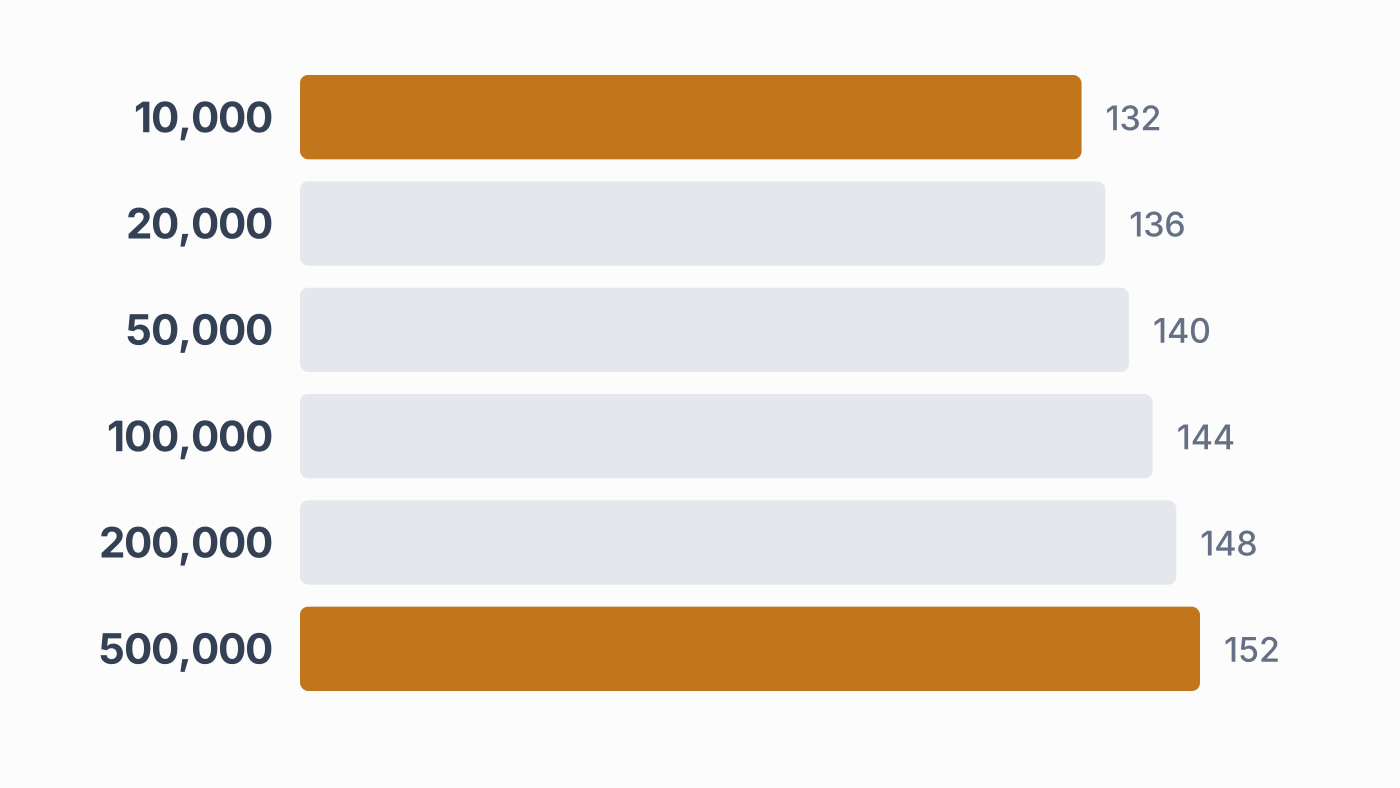
Go by length, not colour. Each polymer note is 4 mm longer than the one below it — 132 mm at 10,000 dong, 152 mm at 500,000 — and that ladder holds where colour fails. The tourism board warns in its own words that the 20,000 and the 500,000 are similar shades of blue, and they are twenty-five times apart.
At restaurants
What to pay, what to say, and how to read a street stall.

Do you tip in Vietnam?
Not required, and not a local habit. It has become common only where tourism is the main business.
Can I eat vegetarian or vegan here?
The tourism board calls Vietnam one of the most vegetarian-friendly countries in the world. One word finds you the restaurant — chay. A second phrase is the one that actually keeps fish sauce off the plate.
Is the street food safe to eat?
The tourism board's own words: generally quite safe — but always use your own judgement when choosing vendors. The judgement part has learnable rules.

How do I call someone over, and what happens at the table?
You call people by the family word that matches their age, then ơi — anh ơi or chị ơi for someone a bit older than you, em ơi for someone younger. At the table, pass with the right hand or both, never stand chopsticks upright in rice, and the meal starts when the oldest person does.
Phone and internet
A local number is cheap here, and it unlocks more than maps.
Everyday basics
The numbers and habits that only matter when you need them.
Can you drink the tap water?
No — the instruction from the tourism board is to stick to bottled water. Read the rest of that sentence carefully though: the caution about ice is written for rural areas, not for the whole country.
What number do I call in an emergency?
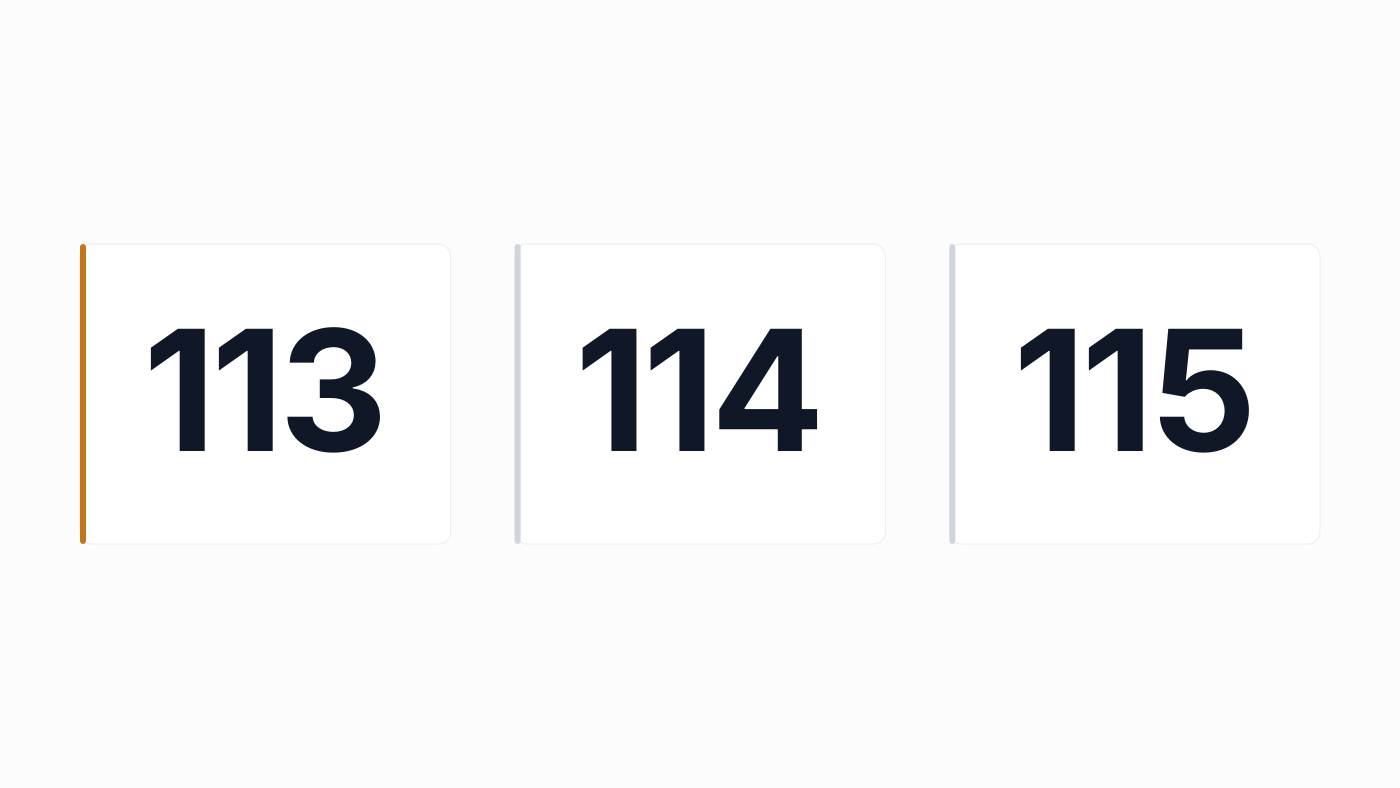
Three numbers, split by service: 113 police, 114 fire, 115 ambulance.

Do I need a plug adapter here?
220 volts, and most sockets take two round pins. European plugs go in as they are; American and Japanese ones need an adapter — which the tourism board says any electrical shop will sell you.
What do I need to know about temples — and those altars in shops?
Cover legs and shoulders, take off shoes and hat. And watch the floor: shops and homes keep ancestor altars at ground level, and stepping over one is the mistake nobody warns you about.
How other countries compare
For a trip that crosses borders — the same question, answered country by country.
- Do you need cash in Vietnam?
- Do you tip in Vietnam?
- Can I use my own phone, and where do I get a SIM?
- How do I get from the airport into the city?
- Does it matter which airport I fly into?
- How do you get a taxi?
- Where can I get cash with a foreign card?
- Can you haggle over prices?
- Can I eat vegetarian or vegan here?
- Can you drink the tap water?
- What number do I call in an emergency?
- Do I need a plug adapter here?