How do I change money, and what about leftover cash?
Short answer
Change at designated banks or your hotel — and keep the receipt. Without it you cannot convert leftover NT dollars back before you fly home.
The receipt is the part people lose
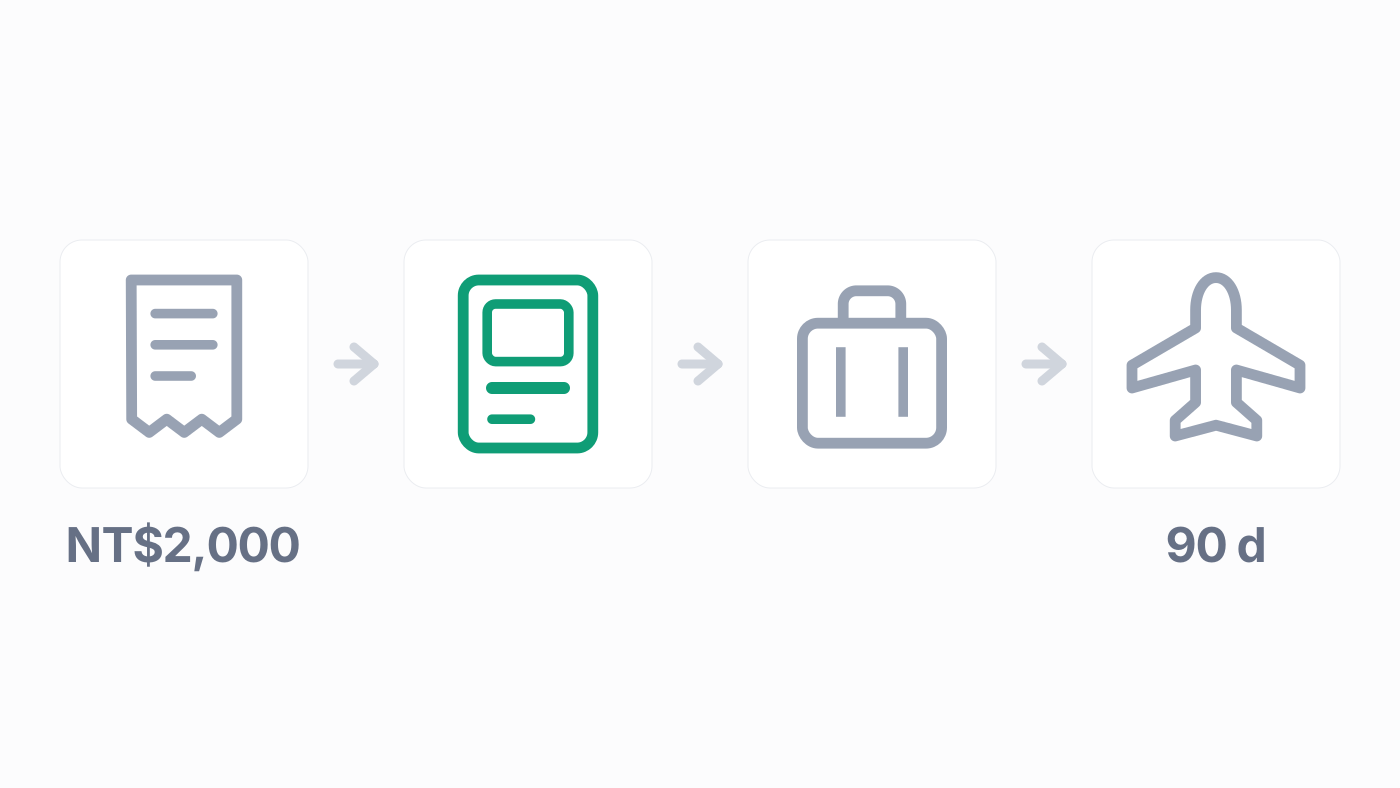
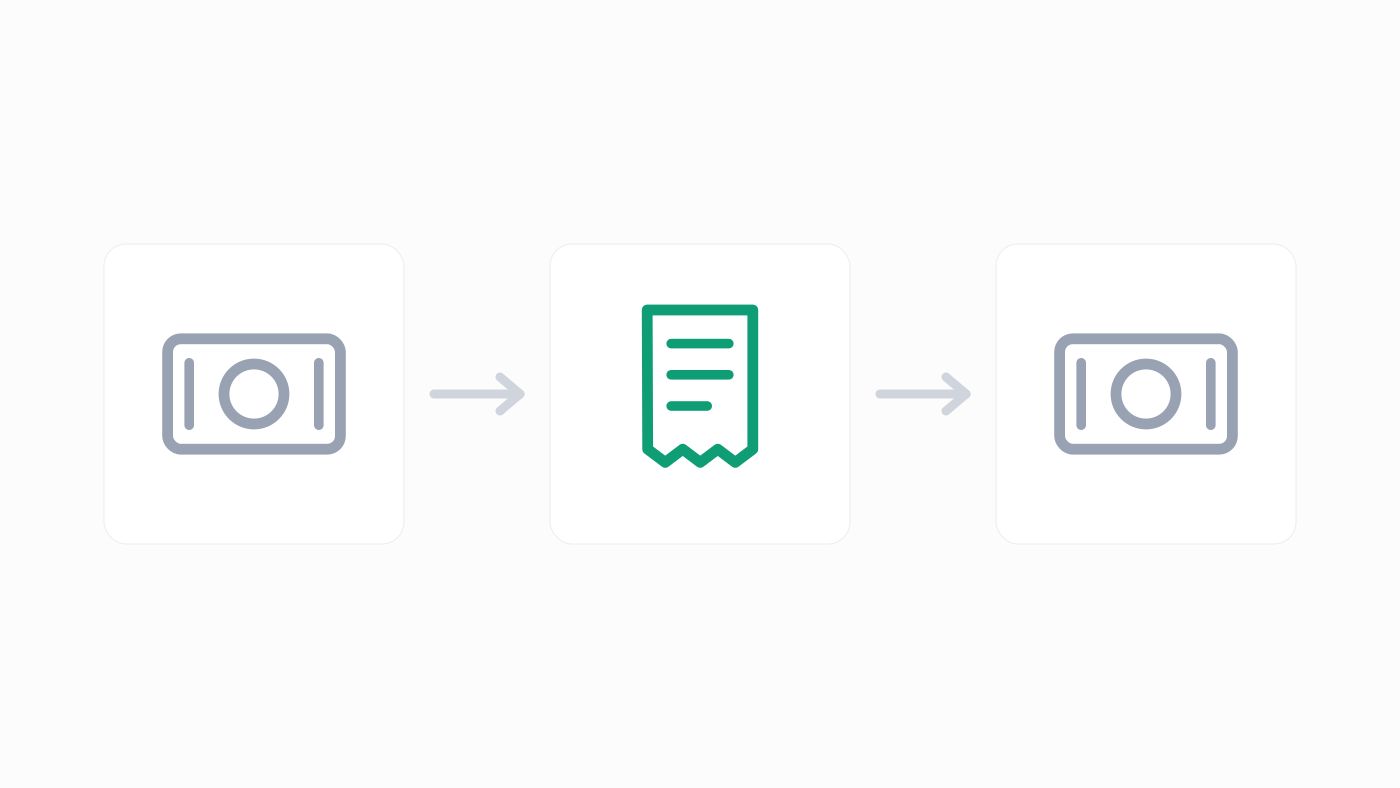
Foreign currency is exchanged at government-designated banks and at hotels, and a receipt comes with every transaction. That slip is not a formality: the tourism administration states that receipts must be presented in order to exchange unused NT dollars before departure.
So the habit is to keep exchange receipts with your passport rather than in the bin at the counter. A pocketful of NT$1,000 notes and no paperwork on your last morning is a genuinely stuck position.
What the money looks like
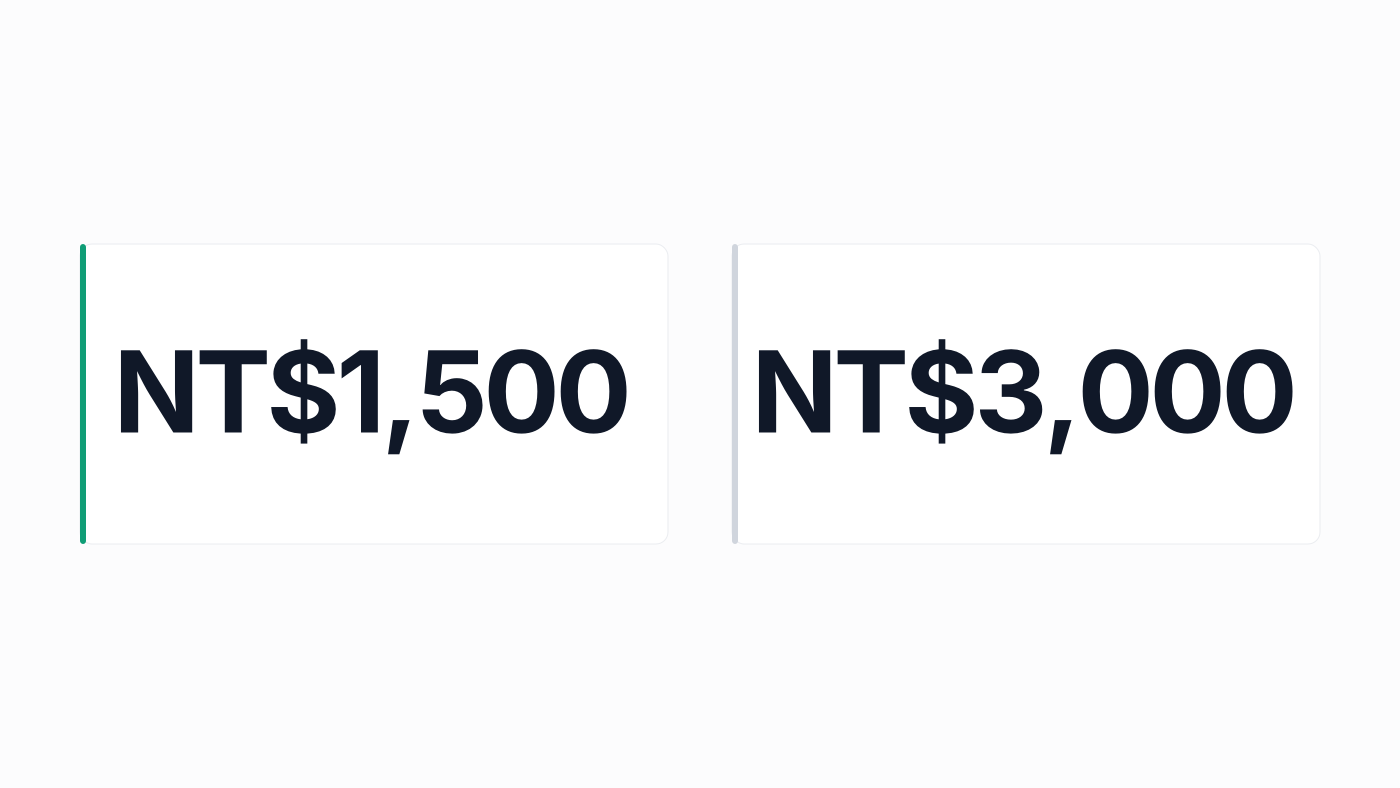
Notes come in NT$2000, 1000, 500, 200 and 100; coins in NT$50, 20, 10, 5 and 1. The 200 note and the 20 coin are rare enough in daily circulation that they surprise people when they turn up.
Cards fill most of the gap — American Express, Mastercard, Visa and Diners Club are widely accepted. Traveller's cheques are a different story: they can be cashed at foreign-exchange banks and tourist hotels, but ordinary local shops generally do not take them, so convert them to cash rather than trying to spend them.
The limits at the border
Cash caps apply on the way in. No more than NT$100,000 in notes per passenger without advance permission from the central bank, and foreign currency of USD 10,000 or more must be declared and registered with customs.
None of this bites on an ordinary holiday budget — it is the kind of rule you meet only if you were planning to carry an unusual amount, and then it is better met before the flight than at the desk.
Good to know
- Keep exchange receipts — they are required to convert NT dollars back
- Local shops rarely take traveller's cheques; cash them at a bank instead
- Over NT$100,000 in notes needs central bank permission to bring in