Do you need cash in Thailand?
Short answer
Some. Malls and hotels take cards, but stalls, markets and shared vans want cash — and locals mostly pay each other by QR.

Three systems side by side
Cards work in malls, hotels, chain restaurants and larger shops. Cash works everywhere. A domestic QR transfer system does most of the rest, and it is what you will see locals using at the stall next to you.
That third system is largely closed to a visitor without a domestic bank account, which is why cash matters more here than the visible level of technology suggests.
Where you need notes
Street food, markets, shared vans and pick-up trucks, small guesthouses, temple donations and short motorbike-taxi rides are cash transactions.
Carry small denominations. Breaking a large note for a cheap plate of food is a routine annoyance for the vendor and slows the queue.
ATMs and the withdrawal fee
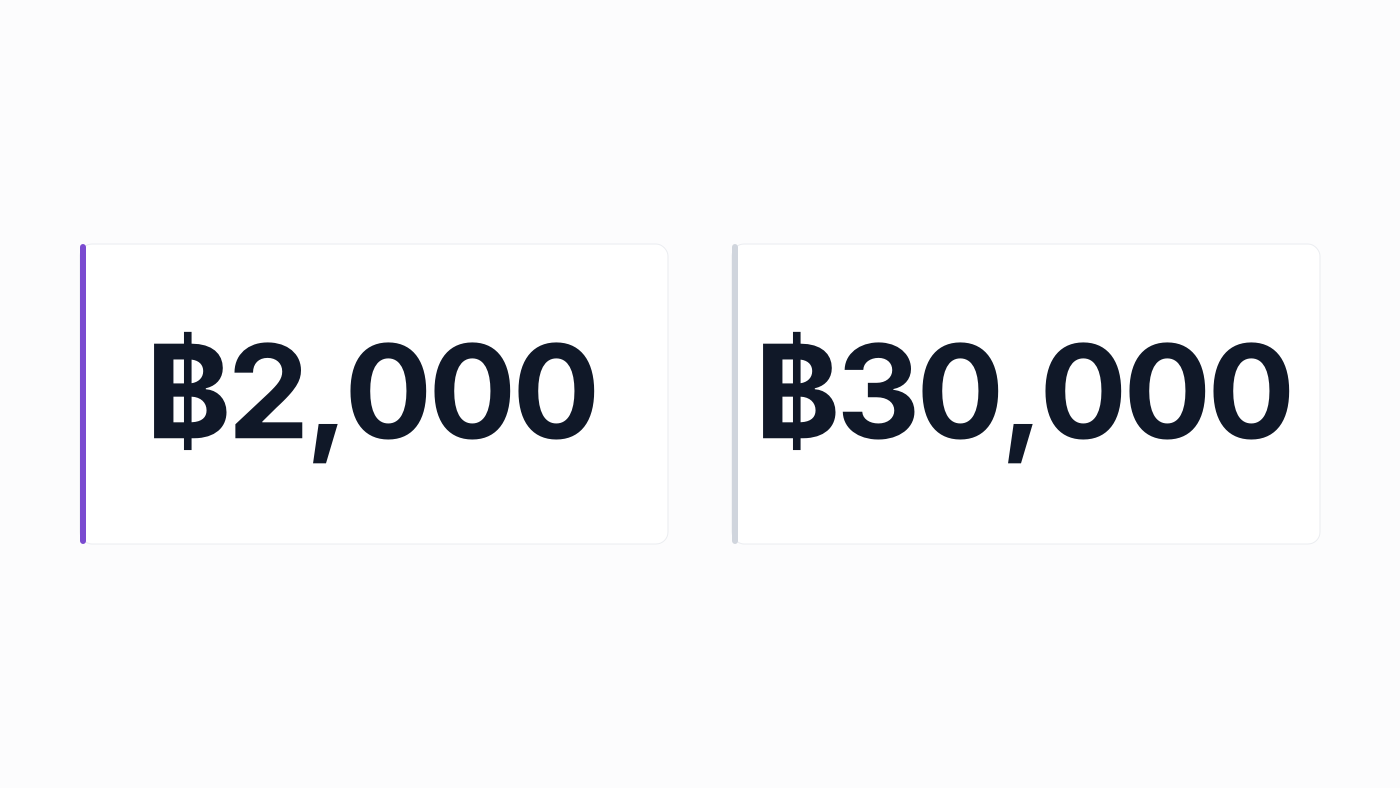
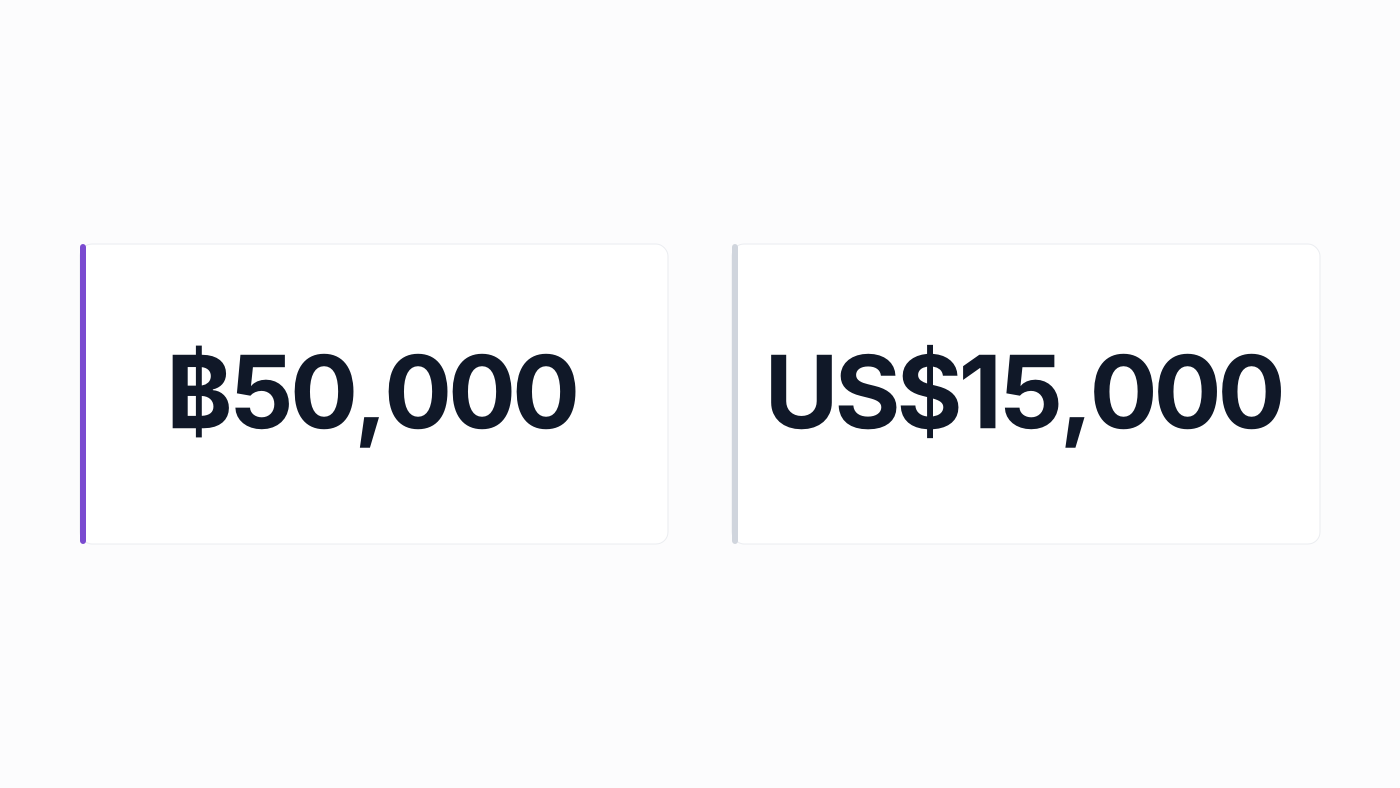
ATMs are everywhere and accept foreign cards, but withdrawals on a foreign card carry a fixed fee charged per transaction rather than as a percentage.
The practical consequence is arithmetic: several small withdrawals cost several fees. Taking out a larger amount less often is cheaper, provided you are comfortable carrying it.
Good to know
- Decline the ATM's offer to convert to your home currency — the machine's rate is the worse one
- Keep small notes for the first day; changing money at the airport buys convenience, not a good rate

 Cards will carry almost the whole trip, but cash has not gone away — the Federal Reserve's own survey still counts it in roughly one payment in seven, and four in five people used it in the past month.
 Yes. Cards work in cities, but small restaurants, shrines, and rural transport are cash only.
 Rarely — but a card on its own is not the answer either. Almost everything runs through payment apps, and a foreign card has to be linked to one of them first.
 Yes. Hotels and malls take cards, but street food, markets and short rides all run on cash — and the notes are easy to confuse.
 Rarely. Cards and phone payments work almost everywhere, including buses and street stalls.
 Some. Convenience stores and chains take cards, but night markets and small kitchens run on cash — and on the transit card.